

About Montessori Philosophy
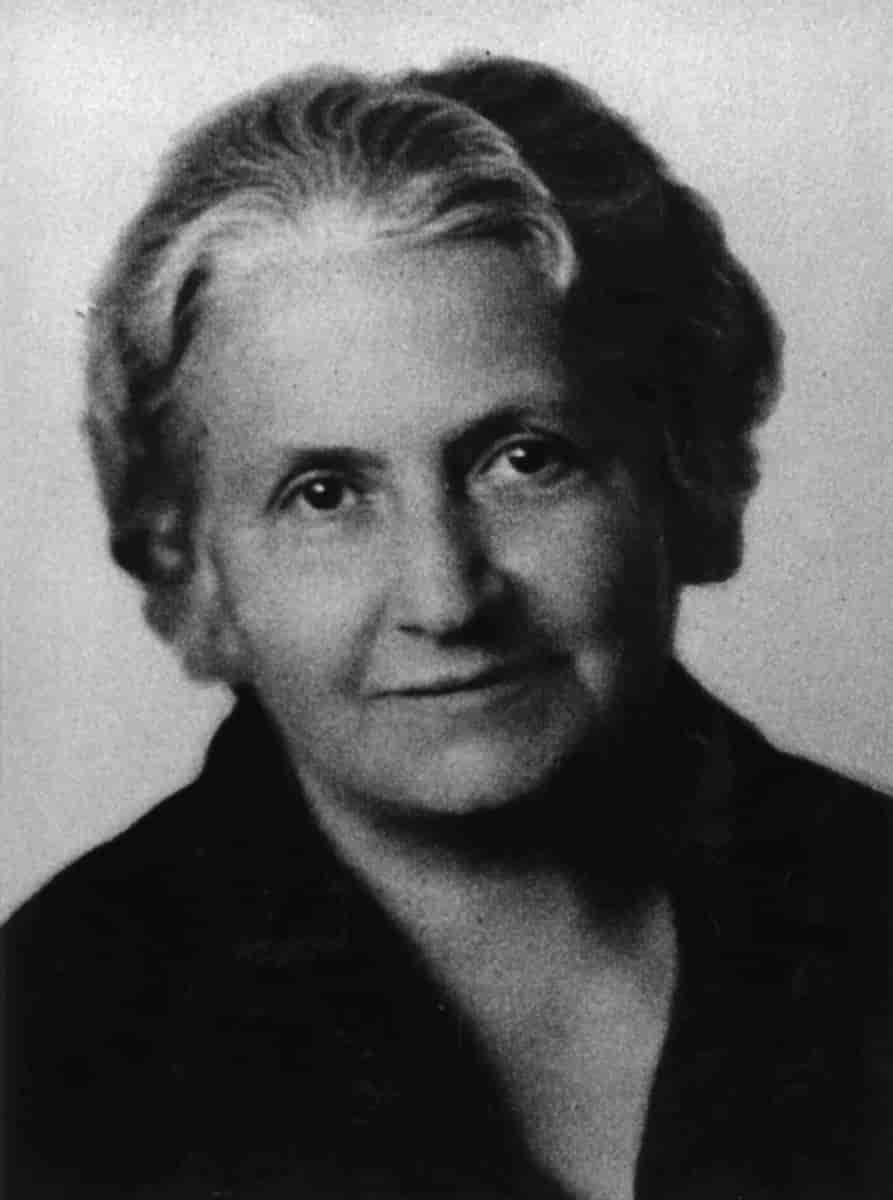
The Montessori philosophy is an educational approach developed by Dr. Maria Montessori, emphasizing child-centered learning. It is based on the belief that children learn best through self-directed activities and hands-on experiences. The Montessori Method encourages independence, curiosity, and a love for learning by providing a prepared environment where children can explore and discover at their own pace. Teachers act as guides, facilitating learning rather than directing it. This approach nurtures each child's unique potential, fostering cognitive, social, and emotional development, and helping them become confident, capable, and lifelong learners.
Practical Life
Strategies:
Real-Life Activities: Children engage in everyday tasks like pouring, sweeping, and dressing, which develop fine motor skills and independence.
Grace and Courtesy Lessons: Teach social skills and manners, helping children understand and practice respectful behavior.
Care of Environment: Involves activities like plant care and cleaning, instilling responsibility and a sense of order.
Sensorial
Strategies:
Sensory Materials: Use of specifically designed materials to refine the five senses, such as the Pink Tower, Color Tablets, and Sound Cylinders.
Isolation of Qualities: Each material isolates one quality (e.g., color, size, texture) to help children focus and compare.
Gradual Complexity: Materials are presented in increasing complexity to match the child’s development and understanding.
Mathematics
Strategies:
Concrete to Abstract: Start with tangible materials like Number Rods and Golden Beads to introduce mathematical concepts, gradually moving to abstract thinking.
Sequential Learning: Concepts are introduced in a logical, sequential manner, building on what the child has already mastered.
Hands-On Manipulation: Encourage children to physically manipulate materials to understand mathematical concepts deeply.
Language
Strategies:
Phonetic Awareness: Use Sandpaper Letters and Moveable Alphabets to teach sounds and letter formation.
Reading and Writing Activities: Introduce reading through phonetic word cards and writing through tracing and composing words.
Enrichment of Vocabulary: Utilize classified cards and nomenclature to expand vocabulary and comprehension.
Cultural Studies
Strategies:
Geography and Science Materials: Use puzzle maps, globes, and science experiments to introduce children to different cultures, continents, and natural phenomena.
Art and Music Integration: Incorporate diverse artistic and musical activities to expose children to various cultural expressions.
History and Biology Lessons: Provide timelines, biographical stories, and hands-on activities to explore history and the living world.